



Blog Summary
- A diagnostic report should feed directly into the proposal, not stay in an internal folder.
- Itemized pricing tied to specific findings faces less pushback than a flat, unexplained number.
- The engagement letter should reference the diagnostic findings directly, giving the firm leverage if scope needs to expand later.
- A client-ready, branded report changes the sales conversation from "trust us" to "here is exactly what we found."
- The handoff from diagnostic to signed deal works best as a structured, repeatable process, not a one-off effort.
Introduction
A diagnostic report that sits in an internal folder does nothing for the sales conversation. It only becomes useful the moment it turns into a signed engagement letter with a price the client accepts without a fight.
Most firms treat the diagnostic and the proposal as two separate steps. The diagnostic happens quietly, internally, to decide what to charge. The proposal then presents a number with little explanation behind it. That gap is where deals stall and prices get negotiated down, since the client has no way to see why the number is what it is.
The report that closes the deal is the one the client sees before you ask for the signature, not after. This article walks through exactly how to make that handoff, step by step.
Part of our complete guide: accounting client onboarding guide
Why Diagnostics and Proposals Usually Stay Disconnected
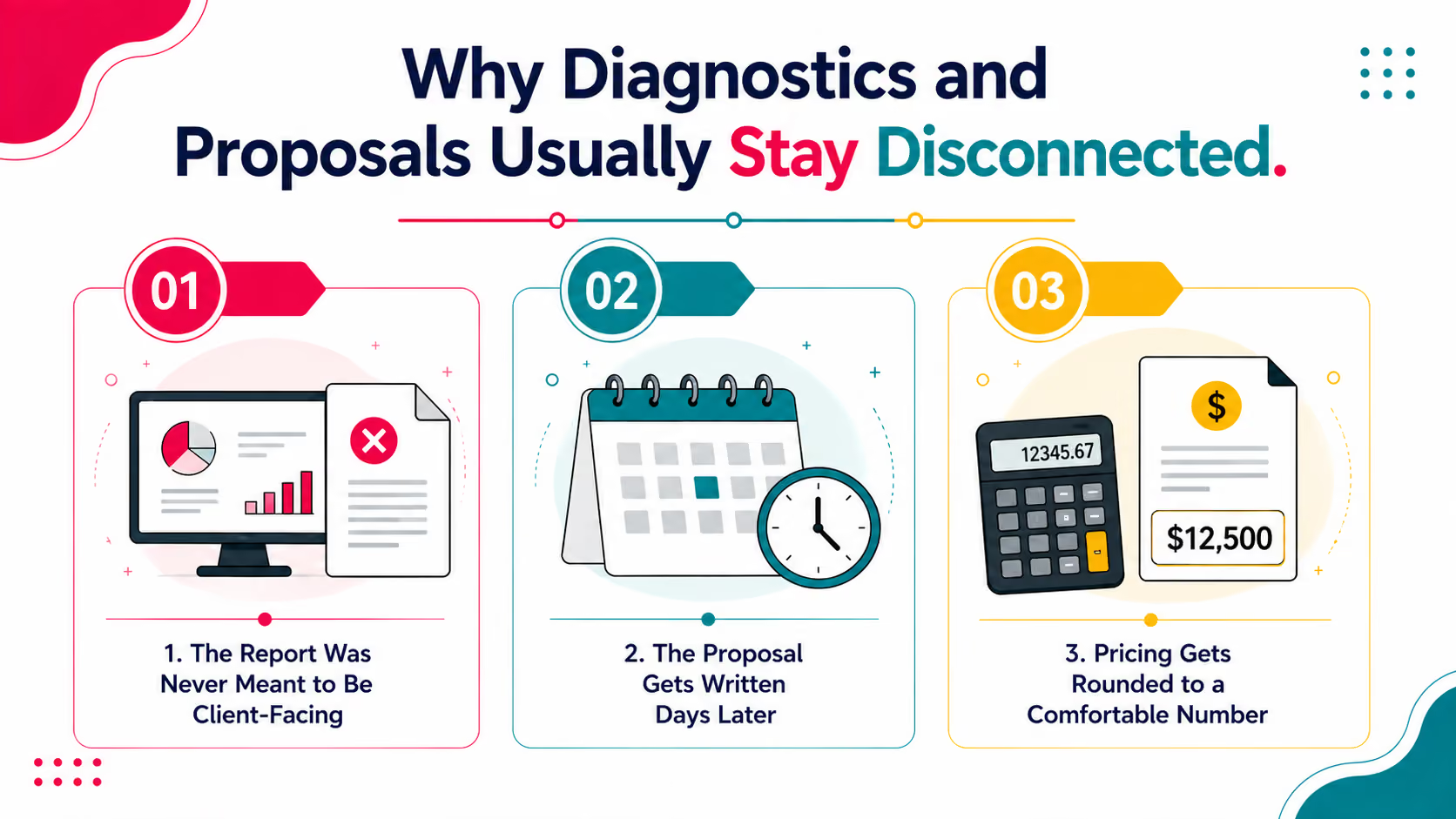
Most firms run the diagnostic to inform their own thinking, then write the proposal from memory. Three habits keep the two disconnected.
1. The Report Was Never Meant to Be Client-Facing
Internal notes from a manual file review are written for the bookkeeper doing the work, full of shorthand and jargon that means nothing to the prospect reading the proposal later.
2. The Proposal Gets Written Days Later
By the time the proposal template gets filled in, specific findings have blurred into a general impression: the books need some cleanup. That vagueness invites negotiation.
3. Pricing Gets Rounded to a Comfortable Number
Instead of totaling specific line items, many firms land on a round number that feels reasonable, then work backward to justify it if asked. Clients can usually tell the difference.
A quote that cannot be traced back to specific findings will always feel negotiable to the client, whether or not that was the intent.
Turning Findings Into Proposal Line Items
The fix starts with treating diagnostic findings as pricing inputs, not background context.
Each row in this table is a sentence a client can actually evaluate. We found three accounts that have never been reconciled, so catch-up work on those three accounts is priced at X reads completely differently than cleanup fee: X.
For the underlying diagnostic process that generates these findings, see our QuickBooks diagnostic guide.
Steps to Present the Diagnostic Report to the Client
How the report gets presented matters almost as much as what it contains.
Step 1: Lead With the Overall Score
Open with the single health score, out of 100, before walking through any specific finding. Clients absorb your books scored 42 out of 100 faster than a page of technical detail.
Step 2: Move Into Ranked Risk Areas
Present critical issues first, moderate ones next, and minor items last. A client who sees the most serious problems addressed first trusts the pricing behind them more.
Step 3: Show Transaction-Level Findings on Request
Keep the detailed, line-level findings available but do not lead with them. Some clients want to see the specific transactions, most are satisfied with the summary and the score.
Step 4: Deliver It as a Branded, White-Labelled Document
Send the report under your firm's name, not the diagnostic tool's. With Xenett Pulse, every report is white-labelled from day one, so the client only ever sees your brand.
Try Xenett Pulse Free. Turn diagnostic findings into a client-ready report in minutes. Free for the first 100 firms, no credit card required.
Internal Report vs. Client-Ready Report
The gap between these two documents is exactly where deals lose momentum. A report built for the second column does both jobs at once.
Writing the Engagement Letter With Findings Attached
The engagement letter is where the diagnostic and the proposal formally connect.
1. Reference Specific Findings in the Scope Section
Instead of a generic scope description, name the specific issues the engagement will address, pulled directly from the diagnostic.
2. Attach the Diagnostic Report as an Exhibit
Including the actual report as an attachment gives the client something to refer back to if questions come up later, and gives the firm something to point to if scope needs revisiting.
3. Include a Scope Adjustment Clause
Even a thorough diagnostic cannot catch everything. A clause allowing for a defined scope adjustment if additional issues surface protects the firm without requiring a full renegotiation. Our guide on pricing cleanup work and avoiding scope creep covers this in more detail.
Handling Pushback on an Evidence-Backed Quote
Even a well-documented quote sometimes gets pushback. The response looks different when the price is backed by specific findings.
1. Point Back to the Specific Line Item in Question
If a client questions the total, walk back to the exact finding driving that portion of the price, rather than defending the number as a whole.
2. Offer to Phase the Work, Not Discount It
If budget is the real constraint, propose addressing the most severe findings first and deferring lower-priority items, rather than cutting the price and quietly reducing the scope of work delivered.
3. Use the Report as Proof, Not Persuasion
The goal is not to convince the client the books are bad. The report already shows that. The goal is walking them through what they are already looking at.
Frequently Asked Questions
How do I turn a diagnostic report into a proposal?
Convert each significant finding into a specific proposal line item, tying the price directly to identified issues like unreconciled accounts, miscoded transactions, or aging receivables, rather than presenting a single flat fee.
Should the diagnostic report be attached to the engagement letter?
Yes. Attaching the report as an exhibit creates a clear paper trail connecting the price to specific findings, which helps if scope needs to be revisited later.
What if the client pushes back on the price?
Point back to the specific finding driving the disputed portion of the price. If budget is the real issue, consider phasing the work rather than discounting it.
How detailed should the diagnostic report be for a client audience?
Client-facing reports should lead with an overall score and ranked risk areas, avoiding internal jargon, while still including enough specific detail to justify the proposed pricing.
Does the report need to be white-labelled?
It does not have to be, but a white-labelled report keeps the client's attention on your firm rather than the tool behind the diagnostic. Xenett Pulse reports are white-labelled from day one for this reason.
Conclusion
A diagnostic report that never leaves an internal folder is a wasted step. The value shows up only once the findings become the backbone of the proposal and the engagement letter, turning a number the client has to trust into one they can actually see.
Related guides
- Start here: Accounting Client Onboarding Checklist
- What Is Xenett Pulse? — How an automated QuickBooks diagnostic tool fits the workflow.
- Bookkeeping Discovery Call Checklist — The questions to ask on a bookkeeping discovery call.
- Run a QuickBooks Diagnostic Before You Price — Why to run a QuickBooks diagnostic before you quote a price.
Firms that build this connection into every deal close faster and negotiate less, simply because there is nothing left to argue about that is not already documented. Sign up for Xenett Pulse and turn your next diagnostic into a signed deal.