



Blog Summary
- Scope creep in cleanup engagements almost always traces back to pricing based on a surface-level look, not a real diagnostic.
- The books that look cleanest on the surface sometimes hide the most cleanup hours, since a clean dashboard says nothing about reconciliation status.
- Fixed-fee cleanup quotes without a diagnostic behind them are a bet, not a price.
- Itemized, evidence-backed quotes reduce client pushback more than round-number estimates.
- The fix is structural: price after the diagnostic, not before it.
Introduction
Scope creep in bookkeeping rarely looks like scope creep while it is happening. It looks like just a few more hours to sort out this one account, repeated every week for a month.
By the time a firm notices the pattern, the engagement has already cost more than it billed. The fee was fixed at the proposal stage, based on a quick look at the file, and the real condition of the books only became clear once the work started.
Across accounting and CAS firms, the average scope expansion once real cleanup work surfaces runs about three times the original quote. That expansion is not bad luck. It is a pricing problem with a specific, fixable cause.
Part of our complete guide: guide to pricing bookkeeping services
What Scope Creep Actually Looks Like
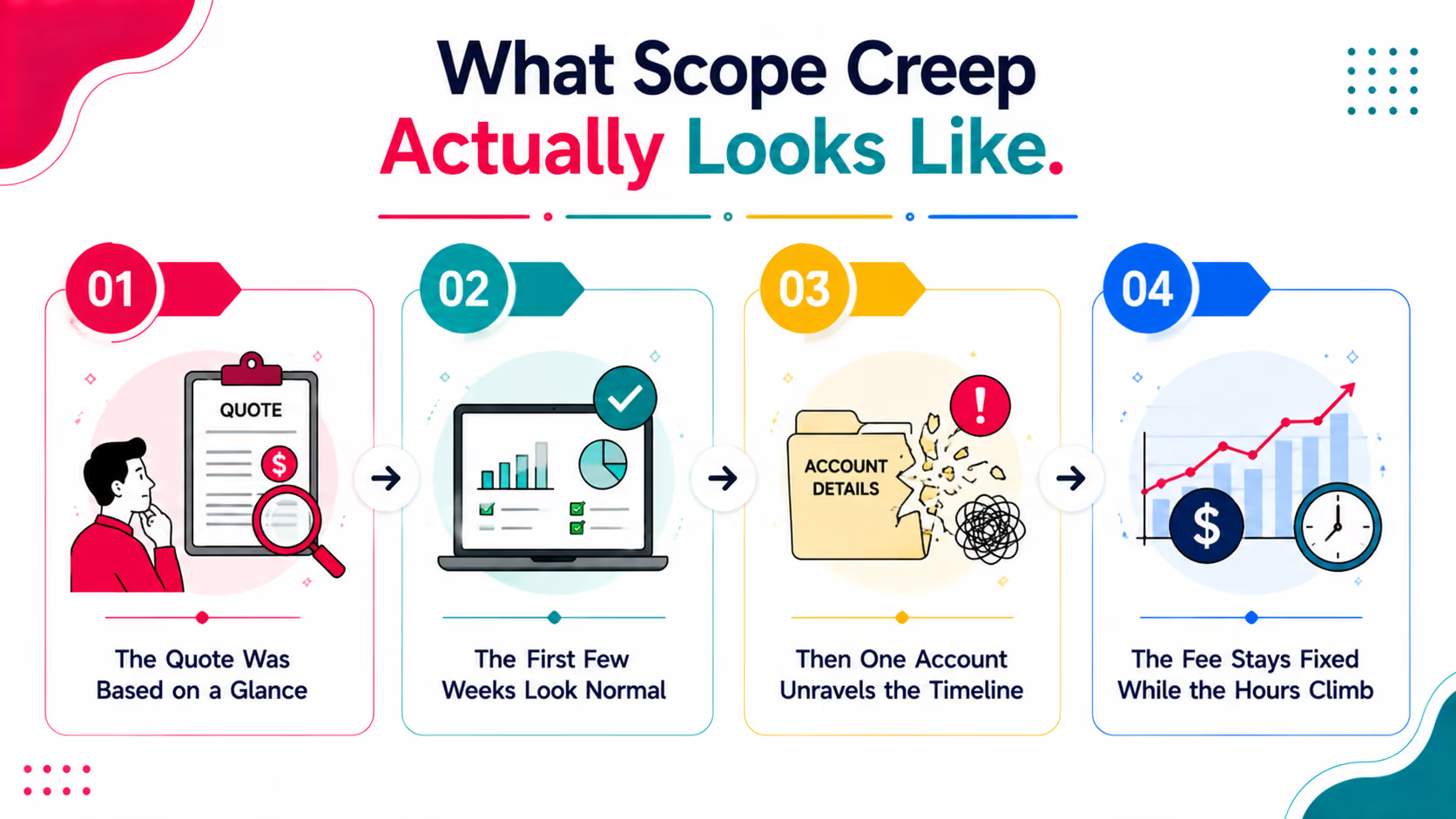
Scope creep in cleanup work follows a familiar pattern, and it rarely announces itself early.
1. The Quote Was Based on a Glance
A firm reviews the dashboard, checks that reports generate, and quotes a flat cleanup fee. Nothing in that glance reveals whether the bank feeds were ever reconciled.
2. The First Few Weeks Look Normal
Early cleanup work matches the estimate. Coding a batch of miscategorized transactions, fixing a handful of duplicates, nothing alarming yet.
3. Then One Account Unravels the Timeline
A single unreconciled account, once opened, often reveals eighteen months of unmatched transactions instead of the two or three the firm expected. That one account can double the total hours on its own.
The account that looks least concerning on the dashboard is often the one with the longest reconciliation gap. Do not assume low activity means low risk.
4. The Fee Stays Fixed While the Hours Climb
Because the quote was fixed, every extra hour comes straight out of margin. The firm absorbs it, bills it awkwardly after the fact, or has an uncomfortable conversation with the client mid-project.
Why It Happens Even to Experienced Firms
Scope creep is not a sign of inexperience. It happens to firms that know exactly what they are doing, for one specific reason.
Reconciliation status and coding accuracy are invisible without directly checking them. A profit and loss statement can look completely normal while several accounts have never been reconciled. Nothing about a rushed intake review will catch that. Only a direct check of reconciliation status per account will.
This is the same gap covered in our QuickBooks diagnostic guide: the diagnostic exists specifically to surface what a glance cannot.
The Real Cost of Underpriced Cleanup
Underpricing cleanup work does not just cost the hours. It compounds across the relationship.
ConsequenceImmediate EffectLonger-Term EffectFixed fee, expanding hoursMargin erodes on this engagementFirm avoids similar clients going forwardAwkward mid-project renegotiationClient trust takes a hitReferrals and reviews sufferTeam absorbs the extra hoursStaff burnout on unbillable workTurnover risk on cleanup-heavy rolesNo data on what went wrongSame mistake repeats on the next clientPricing never improves
The last row matters most. Firms that do not diagnose why a quote was wrong keep making the same pricing mistake on every cleanup-heavy client that walks in.
Steps to Price Cleanup Without Guessing
Fixing scope creep is less about better negotiation and more about better information before the number is set.
Step 1: Run the Diagnostic Before Quoting
Connect the file to a diagnostic tool that flags reconciliation status, coding accuracy, and anomalous transactions. With Xenett Pulse, this takes under two minutes and produces a 0 to 100 books health score.
Step 2: Map Every Finding to a Line Item
Turn each specific issue into its own priceable task: reconciliation catch-up on named accounts, recoding a defined range of transactions, AR aging cleanup.
Step 3: Quote Cleanup Separately From the Retainer
Never fold cleanup into month one of ongoing service. Price it as its own fixed-scope project with its own line items.
Step 4: Add a Contingency Clause for the Unknown
Even a good diagnostic cannot catch everything, particularly issues that only surface once someone is working through the ledger by hand. Build in a defined threshold for additional hours before requiring a full renegotiation.
Step 5: Attach the Report to the Proposal
Send the diagnostic findings as a client-ready, branded document alongside the quote, not as an internal reference only.
Try Xenett Pulse Free. Price cleanup on evidence, not a glance. Free for the first 100 firms, no credit card required.
Fixed Fee vs. Diagnostic-Backed Fixed Fee
Fixed Fee From a GlanceFixed Fee Backed by a DiagnosticBasis for the numberGeneral impression of the fileSpecific findings per account and categoryRisk of scope creepHighLow, since most issues are surfaced firstClient pushbackCommon, since the number feels arbitraryLower, since each line item is explainedWhat happens if issues surface laterFirm absorbs the cost or renegotiates awkwardlyContingency clause covers it without a fight
Building Scope Protection Into the Engagement Letter
The engagement letter is where pricing discipline either holds or falls apart. A letter that quotes a flat cleanup fee with no reference to findings gives the firm no leverage if the scope expands.
1. Reference Specific Findings in the Scope Section
Instead of a generic scope description, name the specific issues the engagement will address, pulled directly from the diagnostic.
2. Attach the Diagnostic Report as an Exhibit
Including the actual report as an attachment gives the client something to refer back to if questions come up later, and gives the firm something to point to if scope needs revisiting.
3. Include a Scope Adjustment Clause
A clause allowing for a defined scope adjustment if additional issues surface protects the firm without requiring a full renegotiation for every surprise. For a deeper look at connecting diagnostic findings to a signed engagement, see our guide on turning a diagnostic into a signed engagement letter.
Frequently Asked Questions
What causes scope creep in bookkeeping cleanup engagements?
Scope creep in cleanup work is usually caused by pricing the engagement based on a surface-level review instead of a real diagnostic of reconciliation status, coding accuracy, and transaction history.
How can I avoid underpricing a cleanup engagement?
Run a diagnostic on the file before quoting, price cleanup as a separate line item from ongoing bookkeeping, and itemize the quote based on specific findings rather than a flat estimate.
Should cleanup be priced hourly or as a fixed fee?
Fixed fees work well when backed by a real diagnostic, since the scope is known upfront. Hourly pricing without a cap can also work but requires clear client communication to avoid disputes later.
What should I do if scope creep happens mid-engagement anyway?
Reference any contingency clause in the engagement letter, document the specific findings that expanded the scope, and communicate with the client before continuing work beyond the original quote.
Can a diagnostic completely prevent scope creep?
A diagnostic significantly reduces the risk by surfacing most issues before pricing, but it cannot catch everything. Building a contingency clause into the engagement letter covers the remaining risk.
Conclusion
Scope creep is not bad luck and it is not a client being difficult. It is what happens when a fixed price gets set before anyone actually looks at the books.
Related guides
- Start here: How to Price Bookkeeping Services
- Bookkeeping Mistakes That Blow Up Fixed Fees — The bookkeeping mistakes that blow up a fixed fee.
- Bookkeeping Pricing Calculator — Run your numbers with the bookkeeping pricing calculator.
- Bookkeeping Proposal Template — A bookkeeping proposal template you can download and adapt.
Firms that build a diagnostic step into every quote are not doing more work. They are moving the same work earlier, to the point where it can still change the price instead of eating the margin. Sign up for Xenett Pulse and price your next cleanup engagement on evidence.